Hi folks,
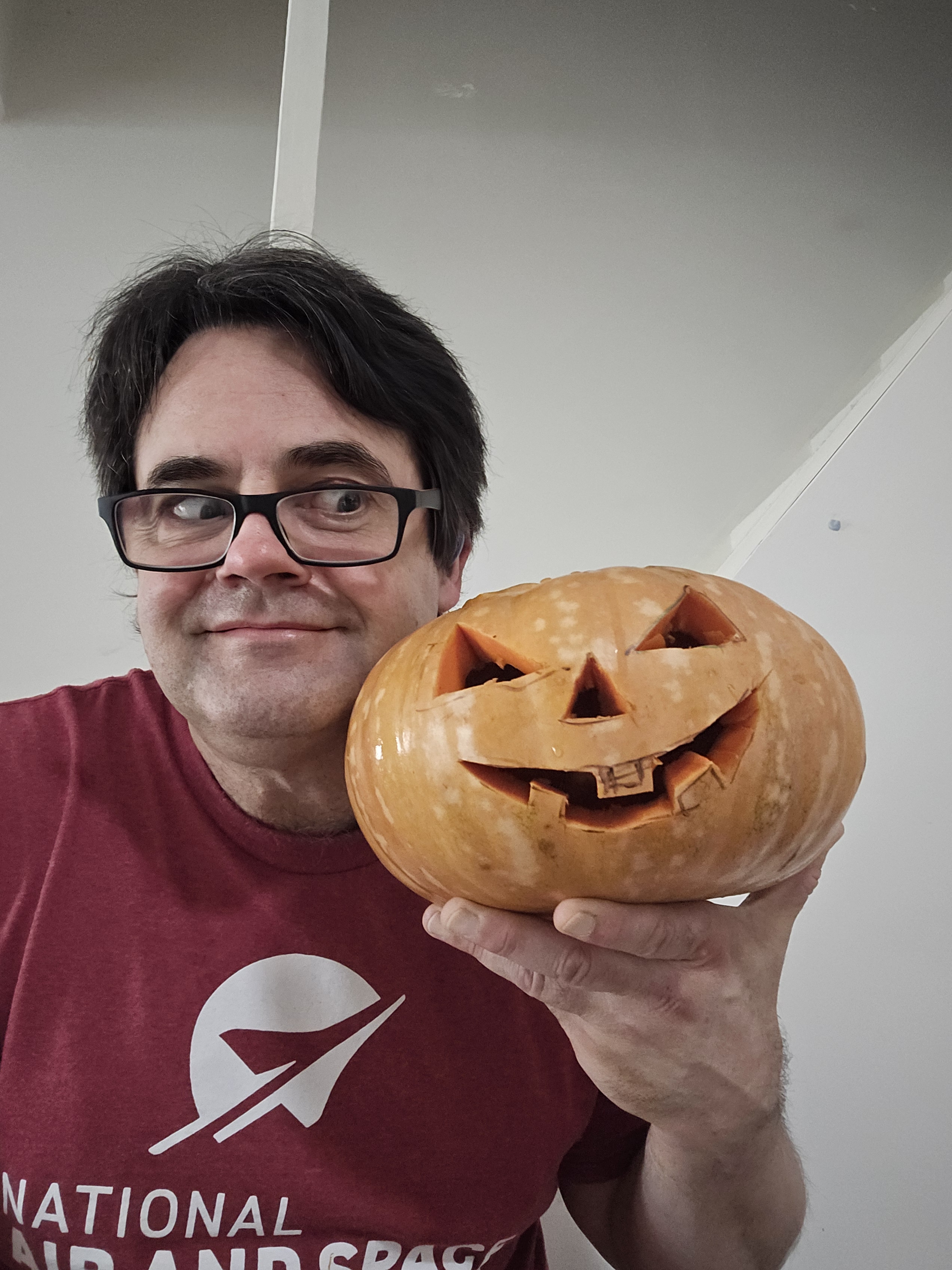
For many of us this time of year has its ups and downs. It’s a great opportunity to express your unique individualism, be it in pumpkin carving, Halloween costumes, and all the celebrations that carry through the end of the year.
But alongside the fun times comes juggling of responsibilities, the additional sensory impacts, and managing change. Challenges for neurodivergent parents and kids can be especially tricky with the added social expectations. Luckily there are some handy tips to help get through the holiday season.
Managing Expectations
Beth Williams new book “The Sensory-Friendly Halloween: A Parent’s Guide to Costumes, Crowds, and Candy for Autistic and ADHD Kids” gives clear picture of Halloween from neurodivergent kids perspective[4].
Halloween asks a set of things of children that no other day asks, all at once, after dark, off-schedule. Wear something unfamiliar and itchy. Approach strangers’ houses uninvited. Say a specific phrase, correctly, to a person in a mask. Accept food from them. Do it thirty times, in an order nobody explained, until an adult decides you’re finished. Every other day of the year, most of those are rules your child has been explicitly taught not to break.
Relatable (that’s a pretty close description of most of my employment history). In her short guide Beth breaks down the night into stages with quick references, checklists, and adaptable scripts to lower the stress for all. I’ve added the link to her website Luna Digital Studio, and you can pick it up free on Kindle[4].
Managing expectations around the Holidays might mean pulling back on the hairy audacious goals of what it should look like. It might also be saying “No” to a number of things or scaling back. “Less is more” can be a good approach to an enjoying experience. It’s good to build in some space[6]. One of the best from tips from Dandelion Family Counseling article “A Neurodiversity-Affirming Guide to Halloween”[1] is:
The Best Halloween Is One That Feels Safe and Enjoyable.
While we are talking about managing expectations on Halloween night it’s good to be on the same page. Before embarking on your evening of sugar fuelled piracy, sit down with your peeps an talk through what will happen. Most box office managers, donor executives and ASM will agree that communication is key and a pregame standup meeting can be crucial to success.
When it comes to your neurodivergent loved ones, doing a walk through with a visual story can be really helpful. It doesn’t need to be one of the masterpieces in the Arts Centre Melbourne Visual Story collection[10]. Lee and Tom Lynch have a great guide for prepping for Halloween in their neurodiverse travel blog Rocket Around, as well as the best guide I’ve seen on creating Visual Stories that work[11].
Support Transitions
Another great reminder from Dandelion is to give yourself, and your significant others the space and time for transitions[1]. Changing focus between events is taxing on everyone[2]. Build in a little extra time to take a breath or fix a problem, to give yourself space get to the next moment.
Reframing Autism put out a guide for allies on Autistic Transitions[3], unpacking what they mean and how they can be difficult. They break down a number of ways to help someone to shift focus. Prepare for transitions, allow natural stopping points, minimize demands on your executive functioning, allow for processing time, collaborate and consider body doubling.
Sensory limits and overload
We are all familiar with the struggle of Sensory overload, even if it is not our own personal Kryptonite. Halloween can be a big one for this, with crowds, new people, decorations, dressing up … it’s a lot. Give yourself more capacity by pulling back on sensory overload where you can, both for you and your loved ones.
Considering a sensory support plan. Dandelion’s article[1] makes a good point on Pack a bag with noise-cancelling headphones, fidget tools, comfort items, water and a snack, and a place to regroup when you need some downtime. Like many museum superheroes, the Houston Museum of Natural Sciences have great sensory backpacks for use in their spaces. That is great inspiration to set up or review your own ahead of your adventure.
My personal favourite rule for events is “be flexible in your planning, and have an exit strategy“. In social situations where I feel overloaded, I allow myself the opportunity to ‘smoke bomb’ (metaphorically) and exit. That’s important for kids to be able to be in control as well. For those of us with enteroception challenges you can’t always know when you are at your limit until you are over it. Giving a friend or host a heads up ahead of time can be helpful if it’s possible you need to disappear.
Costuming and clothing
“Comfort matters. A child who feels physically comfortable is much more likely to enjoy the experience.”[1] That goes for us adults as well. Uncomfortable clothing can eat into your capacity to be at your best and enjoy yourself.
If you want to give your creative cosplay fit the spotlight it deserves or if you need to make an impression, is an off duty version you can fall back on once that big reveal is done. Give yourself some relief by swapping the shoes out or taking off the mask – figuratively or literally. From my perspective your best look is you enjoying yourself.
There are many other sensory hurdles, including the particulars of smell, taste, sound and light. It’s not uncommon add anxiety and emotional overload, to this category for better practical management.
Self-Care
Finally I can’t (de)stress enough the importance of Self-Care, and one of these days I’ll listen to myself. That term means different things to each of us, and however you do it stay well. If you feel like a bit of festive journalling to help you keep track of how you are doing, Steph at Mindfully Illustrated has designed a very cute self-care spellbook. We’ve also attached our breathing assistance gif that you can download into your phone for to help when you need some calm.[12]
Have a wonderful and safe Halloween all,
Heath
References
- Dandelion Family Counseling “A Neurodiversity-Affirming Guide to Halloween” DandelionFamilyCounseling.Com (Oct 2026)
- Grant, A. “Productivity Isn’t About Time Management. It’s About Attention Management” New York Times (Mar, 2019)
- Reframing Autism “All About Autistic Transitions: A Guide for Allies” ReframingAutism.org.au (Sep, 2026)
- Williams, B “The Sensory-Friendly Halloween: A Parent’s Guide to Costumes, Crowds, and Candy for Autistic and ADHD Kids” Luna Digital Studios (Aug, 2026)
- Wilder H.“Holidays are stressful, so let’s chill inclusively” (Jan, 2023)
- Dominee Calderon“ Autumn Self-Care” Self Love Rainbow (Nov, 2025)
- Houston Museum of Natural Sciences Accessibility hmns.org
- Visual Story Library ArtsCentreMelbourne.Com.Au
- Lynch, Lee & Tom Happy?? Halloween Neurodiverse Families! Visual travel guides for neurodiverse families RocketAround.com (Sept, 2023)
- Binkley, S. and Wilder H.”ND&MW: Guided Breathing gif” ND&MW Affinity Group Files (Oct, 2026)