Proudly Autistic
Director of Customer Experience at Sydney Theatre Co.
Sydney based actor - TV Film and Theatre.
Long time Sci-Fi & RPG geek
My views are (of course) my own
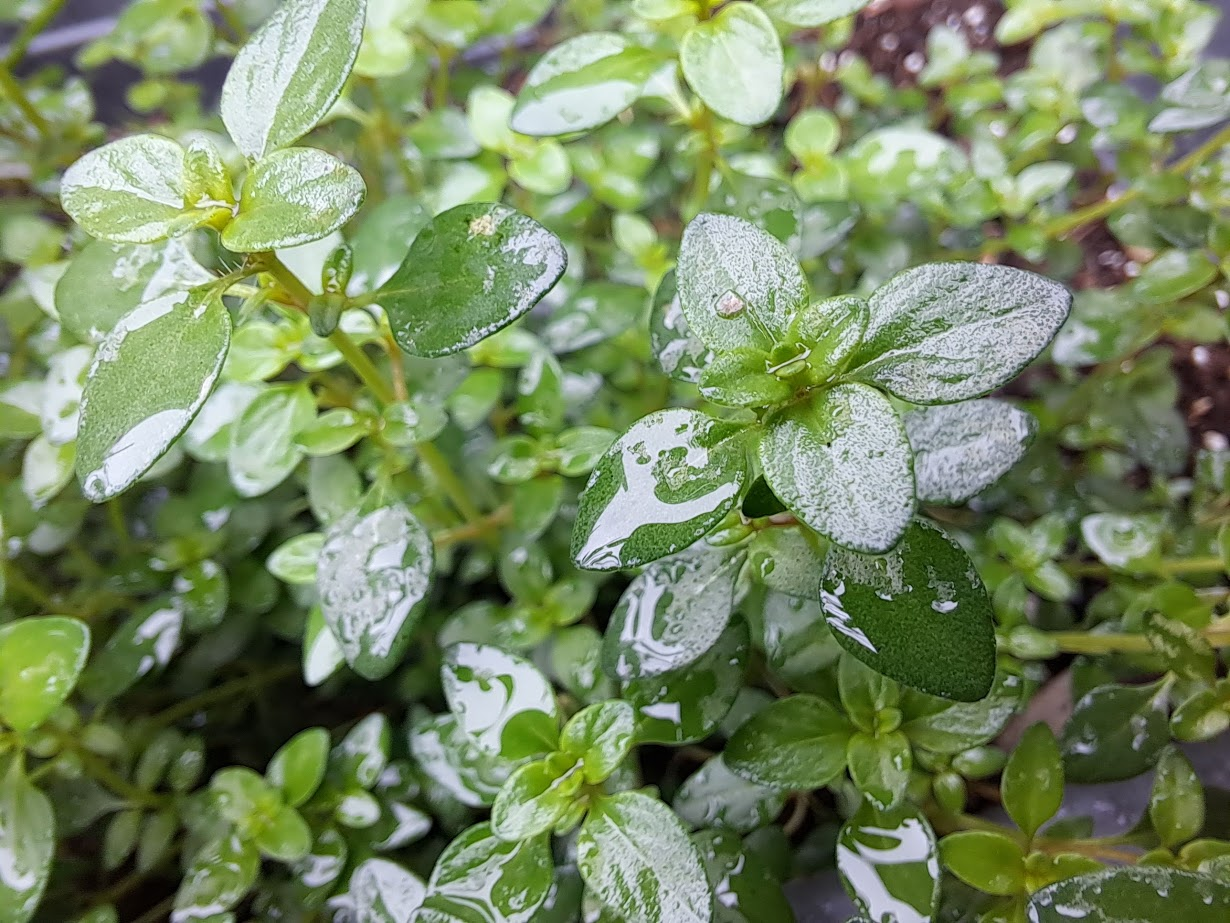
Tonight I am sitting down on a cold winter’s night to a meal of mashed potato and peas, Toulouse sausage – an inspiration of from Craig my local butcher, as he’s getting festive for the Paris Olympics. The fresh parsley, lemon thyme, spring onion, and rosemary are out of my balcony garden.
I’ve taken 2 days off work in recovery as I’ve kept blacking out. My local GP thinks it’s probably exhaustion, and she’s probably right. I went for a mental health care assessment to help with the government subsidy which is kind of a new Australian tradition prior to psychology. It’s a little inane as you have to spend $150 at the GP for an allowance copayment of about the same for psychology and typical bureaucracy nevertheless. Nevertheless I have found a good GP which can be is rare as finding a good mechanic. Being off work
Being off work meant that I got to catch up on, you guessed it, more work. My Data Analyst wrote a fantastic service level agreement SLA, and in the interest of mental health, and controlling the chaos, I need to write a introduction to onboard the company to this practise. It’s not that their resistant, more that it’s new. This is especially true in the arts where none of us, or most of us, are doing work very tangential to what we have studied. Lots of people have expressed interest in our use of Jira to manage the incoming, and the new SLA for clarity on deliverables. That’s a lot of business words but don’t get me wrong this is purely for protection and sanity. I’ll save you the spiel about saving the arts through project management for another time.
Parallel to that work is the Advocacy Group for Arts workers that I manage with my friend Shelly. Some of the mental health advocacy I’ve posted here has been born directly in the work in that space. This started as another bit of mental health safety around providing support to neurodivergent and autistic individuals in arts administration, but quickly became one of the central pillars of my life.
Over the last 12 months Shelly and I have expanded our little group to include activities like a book club, movie watch party, and other mental health activities like weekly meditation. This month for book club we’ve decided on the fiction book tomorrow and tomorrow and tomorrow by Gabriel Zevin. Extraordinarily this book is a non-romantic love story between two autistic young adults, and by young I mean a flashback to teenage years but it’s predominantly set in college and beyond. I am 10% into the book already and have a sometimes overwhelming love-hate relationship with it already. Like watching your favourite sports team lose at the grand final the early trials of the protagonists have me in outrage damming the characters foiling their lives to hell. I hate this book, and as love and hate are close parallels I’m reticent to say the truth that I am hooked.
So that’s where I am at present. Walking a fine line but enjoying that moment.
Google drive just snuck this photo of mine past my feed. For an algorithm it’s darkly humorous, having recently lost a close friend. On the other side is the cold pacific ocean beating on these cyclopean blocks.
I used to come here a lot between the 90s and 2015. This picture however was one of the last and it feels a lot like that time;
wind harsh and sharp, the colours unambiguous, the sea more solid than cement;
I was speaking with my bestie, their 3yo is pulling out of dance class because they are finding it hard (the 3yo not … you get it). It’s not having your parent there, as much as being told what to do by people you don’t know, in ways you struggle to understand, and with little adjustment or accommodation.
See our protagonist is undoubtedly neurodivergent, and being neurodivergent is frequently tricky, because whilst you are growing up you are learning in mixed groups, with a curriculum delivered in a way to have the best results – or to achieve the best learning amongst the most students. When you have specific needs and make up 2% of the population, it’s on you to do the extra work. When you succeed in creating an adaptation of the system, that creativity is not valued, celebrated or even noticed. Often that’s because the trainer does not understand that you needed it, or may look at it as procrastination. What is celebrated is the end result of your efforts, and in your case the effort was split between creating a new system you could work with, before you moved onto the standard learning. Consequently when you realise that the standard measuring system doesn’t measure you you stop caring in the measuring. So being a neurodivergent kid is tricky. Tricky to the point of overwhelming; emotionally, intellectually and physically. Or at least that has been my experience.
To the first point I hated being without my parent. Usually my mum but back then my dad and I were close. It was bringing something/one you knew you could predict and was an an option if you needed to get you out of that situation. That sounds cold, I truly loved my parents regardless of the difficulties, and perhaps because of them. But in those early decades, I found going it alone very hard. You learn little-by-little your own capabilities, but having that base of familiarity is exceptionally important as an autistic kid. I’d never complain, which was apparently a feature. I could get very quiet and focussed or very still. Inside I was vibrating at hyper-speed like the flash travelling through a wall. Some of my earliest memories are of negotiating my own executive dysfunction, making up rituals where “by the end of folding this leaf I would go and see if I could join in playing soccer”.
It’s especially hard in those early years when you are starting to encounter the neurotypical world. None of it make sense. I felt that I was in a daily escape room – having to navigate situations where at any time someone would change from happy to see me to outraged that I’d transgressed some rule. And it only became apparent that I’d transgressed a rule later on. Initially it seemed random, and the emotion and whatever I did was unrelated. I started learning about social rules from then on, and interpreting what people were saying into understanding what they wanted. Now <cough cough> years on I’ve come a few laps in the understanding that often the response is random, and is a complex web of other peoples stuff that may intersect with what I am doing and what they are saying in small or large ways. But to a 3yo doing ballet that is way outside what you’ve signed up for.
So what is the way to teach neurodivergent kids dance? We’ve rallied and campaigned against Applied Behaviour Analysis, forcing the normalisation of children, and imposing a dog training reward model. We also know that “one size fits all” fit the majority not a minority. I’m certainly not an expert, but I do know people who are.
It strikes me that I know internationally renowned leaders in dance and dance education, trained in neurodivergent accommodation and neurodivergent themselves. And what they teach seems radically human centered from a place of growth and safety. They teach from a place of support and the tools to support yourself. And that component of the training is egalitarian and largely unmeasured. Because what are you measuring and why?
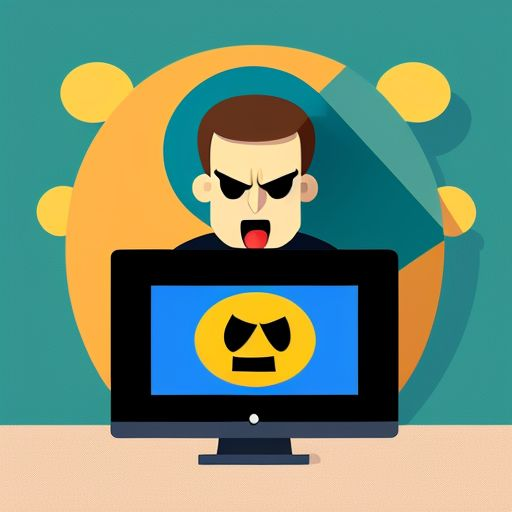
I’ve been getting into using AI in my day-to-day a lot over the past 6 months. Deciphering cantankerous customers’ meanings. Writing the start of a long letter not knowing where to start. And sometimes creating a logo… well, I gave it a try with a clear set of prompts “logo for a book club, an illustration of an open book, simple line art” and this is what I received.
Well I don’t know where they learn those kind of words but it certainly isn’t from me. I daresay that it’s learning those things from those Unstable Diffusion crowd. Frankly I’m not even mad, I’m disappointed.
Similarly, there are days when writing prompts seems like the AI is just being willful. “What do you mean you don’t know what an infinity symbol is? You drew the Kardashians coming out of a clown car a minute ago just fine!” I really have to resist the temptation not to push my prompt, weighting the up up until all hell breaks loose and tortured content starts flying about the screen as we wrestle with concepts that really are beyond both of us.
So yeah I really need to take better care of my AI. We’re better working from the same playbook.
What my AI thinks it looks like when we are fighting
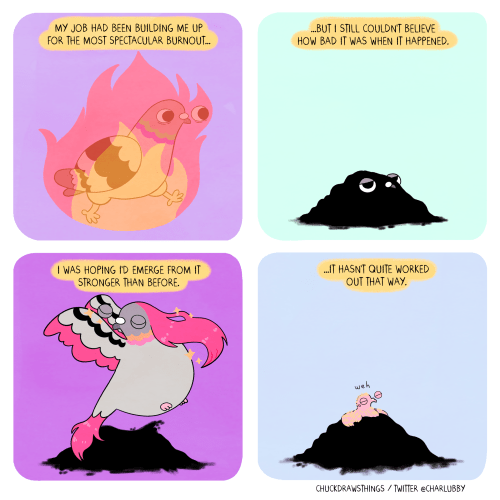
I have been meaning to follow up with some more resources regarding Burnout in the Neurodivergent Community. It makes sense that the challenges of working in a high pressure environment, especially one that is nonoptimal for your skills, will add stress. Of course that means that burnout can and does occur in all neurotypes.
A Succeed-with-Dyslexia (SWD) blog post[1] from last year is a great read about burnout for everyone. It summarises the very important point
What matters is recognising [burnout], and reaching out, even if it feels trivial or embarrassing at first – it isn’t, but sometimes that hurdle is one of the largest for people.
Hayley M Butcher, in her blog “Discussing the Dyslexic Brain” [2] lays out the reasons for fatigue being so common in the dyslexic community. Her summary in typically clear, dyslexic style:
A collage of factors, including tackling difficult and complex tasks, spending time checking and re-checking for errors, battling visual stressors and coping with associated stress can be a real recipe for fatigue amongst the dyslexic community.
It is also a fantastic literature review of contemporary research and support, with great references and advice:
Setting achievable goals, breaking tasks into manageable chunks, taking regular breaks, accessing reasonable adjustments and seeking the expertise of educational professionals when needed can all be great ways to assist the dyslexic population. In addition, remaining supportive and encouraging, yet also understanding of your dyslexic child, student or significant other (or even towards yourself) is absolutely crucial.
(This piece of writing was created by my incredible friend Shelly and myself for our Neurodiversity and Wellness, Arts and Culture community that we chair)
You might hear the term “Burnout” talked about a lot and maybe you’ve felt that way yourself.
But what is burnout?
How does burnout differ between different communities?
And what can you do about it for your co-workers, friends and yourself?
Defining Burnout
The World Health Organisation (WHO) points out that whilst burn-out is included in the 11th Revision of the International Classification of Diseases (ICD-11) as an occupational phenomenon, it is not classified as a medical condition.[1]
Burn-out is defined in ICD-11 as:
“a syndrome conceptualised as resulting from chronic workplace stress that has not been successfully managed. It is characterised by three dimensions:
• feelings of energy depletion or exhaustion; • increased mental distance from one’s job, or feelings of negativism or cynicism related to one’s job; and • reduced professional efficacy.”
WORLD HEALTH ORGANIZATION (MAY, 2019)
However, as the boundaries between work and home have blurred throughout the covid years, the occupational distinction has also become less fitting. Evidence shows that burnout makes no distinction between paid or unpaid work and people undertaking unpaid home or care duties can also be impacted[2].
The Black Dog Institute and the UNSW School of Psychiatry[2a] have carried out studies into factors that commonly concur with burnout, including:
Anxiety/stress
Depression and low mood
Irritability and anger
Sleep disturbances
Lack of motivation or passion
Lack of concentration, memory loss or brain fog
Withdrawal from others
Physical symptoms such as aches, headaches, nausea and low libido
Emotional fragility
It raises the chicken v egg question on whether these factors are a cause of or caused by burnout, or whether they are all a symptom of an underlying issue. The same researchers are also undertaking a followup study to further investigate the features of burnout and its relationship with depression.
Neurodivergent Burnout
In the neurodivergent communities, conversations about burnout are quite common. In fact many neurodivergent people come to uncover their uniqueness due to the burnout of trying to fly under the radar. The challenges of living and working in a society not designed for us can mean frequent overload that can push us into meltdown, shutdown, and burnout. Also life-changes can exacerbate challenges, for example transitioning from school to work, experiencing a mental health crisis, or the death of someone close[13]. Stigma can make prevention and recovery even harder.
So how does neurodivergent burnout differ from the WHO defined burnout?
A notable difference is in the causes of burnout [6]. Some of factors that lead to burnout for ND folk are:
Repeated sensory overload
Long term masking
Having social/sensory needs minimised by others due to appearing “fine” (i.e. “successful” masking)
Not having access to the appropriate level of supports & accommodations
Difficult or unreachable expectations from family, school, work, or society
Executive Functioning fatigue following a number of stressors or transitions
When the overall load exceeds abilities + supports = burnout
But impacts of burnout can also present differently, including [7]:
Loss of skills
Loss of interest in dedicated interest areas
Emotional regulation issues
Added anxiety and depression
A study by Dr Dora Rainmaker at Portland State University[11], involved interviews with autistic adults. Whilst her studies have been in the autistic population, the sentiment aligns with other neurodivergent communities. Findings included:
“… struggling with independent living, loss of self-belief, and being frightened that the loss of skills from the autistic burnout might be permanent.”
Dr. Dora Rainmaker
The results also pointed to a “lack of empathy from neurotypical people, who had difficulty understanding or relating to the autistic person’s experiences.”
What can we do about it?
Policy
On a policy level, it may be good to know that groups such as the Black Dog Institute are campaigning for workplace reform through methods such as their White Paper[9]. Actions your organisation can take include:
Evidence-based training for managers regarding the resources available and actions they can take to recognise and respond to mental health risk factors in the workplace.
Building mentally healthy workplaces.
Taking immediate action on bullying, sexual harassment and assault.
Self-care
The most important way to recover is prioritising self-care as a protective measure against burnout and other mental health issues. However self-care is often the first thing that gets sacrificed to work demands and stress.
So what is self care?
“Self-care refers to the activities and practices that we deliberately choose to engage in on a regular basis to maintain and enhance our health and wellbeing. Regular practices may include exercise, reading, meditation, disconnecting from technology, or talking with a friend or family member.”[10]
“When you take time for yourself to rest, reset, and rejuvenate you will actually have more energy to meet the demands of daily life as well as reduce or avoid the symptoms of mental ill-health.”
Dr Jan Orman
But what does Neurodivergent self-care look like?
For Neurodivergent folk there are a few ways to recover in addition (or instead of) neurotypical burnout recovery. In fact it’s worth noting that many neurotypical recovery techniques and interventions can be ineffective or even more overwhelming. Social support can add to overload, and even mindfulness may need a special touch as described by Sue Hutton[14].
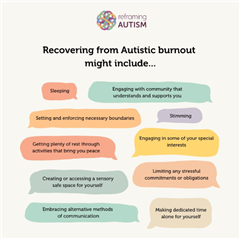
Neurodivergent affirming recovery methods can include [8, 11, 12]:
Deliberate reining back of tasks and responsibilities
Prioritising rest, recognising the necessity of healing, and equitable productivity
Careful unmasking where appropriate
Slow refocus on areas of interest and energy giving environments like nature
Outsource executive functioning tasks
Attending to sensory needs
Self-care Strategy
Prevention of burnout comes with increased awareness of needs and accommodation for those by workplaces, family and community. Clear boundaries and formal supports are also key to keeping the overload at bay.
The Black Dog institute has a comprehensive self care template designed so that you can craft a personal self-care strategy that works for you. It will guide you through the 4 steps of self-care planning:
If you are feeling burnout, run down or depression it’s worth talking to a mental health professional starting with your doctor. But if you are feeling that that’s a big first step try reaching out to the people around you and in your communities. Talking can help and it can make that journey more manageable by taking it one step at a time.
Go well!
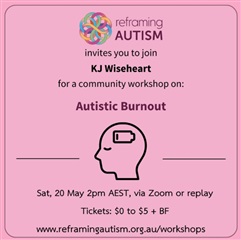
PS– what to learn more? Check out this upcoming workshop on Autistic Burnout:
There are a bunch of fun and interesting tests that do the rounds of the neurodivergent and autistic communities every now and again. Some draw from rich experience and colour of the community, whilst others are built from the doctrine of Asperger* & Lovaas* treating us as if “they are not people in the psychological sense”. Yes ND and autistic people are horrendously marginalised still, so when doing any of these tests it’s important to remember that it’s not a Cosmo quiz and experiences may vary.
(Before I get too soap-boxy) the folks over at Embrace Autism have collected a bunch of them and give each a description, a discussion on merits and the evolution of the test, notes on scoring and provide a comments page – always interesting. I’m looking for some fun ones for a meetup and this is a great place to go. I did however get sucked into the tractor beam of the RMET and I unpack my opinion below.
Reading the Mind in the Eyes test
Yep 10 in 16 minutes. RMET is so arbitrary and forced. There are recent studies of peoples thoughts of what they looked like when frightened compared to what they actually looked like and they are nothing alike.
Like the TASIT, RMET is a performative model of what neurotypical society agree are the proxies for emotion in the same way that sitcoms and soap opera’s use codified behaviour to indicate emotion. They are not testing reactive emotion displays but artistic expression of emotion. I was an actor and director for 25 years and am an executive on Australia’s largest theatre company. I know some of the actors in the TASIT test and that is acting – not real life. Say what you will about “method” acting or portraiture, they are devices to tell clear narrative. Life is not. I spent decades learning to act professionally neurotypical because (as Damian Milton proposes) NTs were equally bad at recognising my emotions. With context and knowledge I’m quite good at determining a persons mood and situation. But more to the point of empathy I act on it.
What is actually interesting is that the times I’ve met up with new autistic friends they are much more attuned to my emotional state with a much more limited exposure. This has always felt like we are naturally attuned to one another. That’s a metaphor rather than a factual statement but still often it’s with other ND and autistic folk that I get close to a feeling of home.
TASIT and RMET basically boil down to a culturally specific ink blot test, or a test to see if you have the cultural secret to enter a club.
* the former a Nazi scientist who experimented on children and the latter one of the creators of gay conversion therapy and the founder of Applied Behavioural Analysis – still the western standard therapy for autistic children. Summarised here
This week I went to a wonderful accessible arts panel discussion on accessible tech in the arts. There are a lot of everyday uses of technology to use technology to increase the accessibility of arts and culture and our exceptional panel of Sophie Penkethman-Young (Australia Council), Marcus Wright (MCA), and Simon Buchanan (Sydney Opera House) unpacked a wide field of these. Technologies such as digital performance, alt text and captioning, digitally delivered workshops, Virtual narrators, Augmented Reality deepened experiences, and AI created audio description … yes Artificial Intelligence made it’s face known.
Lately, in so much of the conversation, Chat GTP, and the AI successors, has dominated the subject of technology and art. Whether it’s artists having their work used as a platform for training AI without their consent, to using AI to develop writing art and critique of writing and art.
But it’s in the most banal ways that AI could be an accommodative tool for those of us with disability. We may argue the merits and value of a novel or poem written by AI. But what about AI writing your grant proposal. On that artists seem to agree. Maybe not the whole thing, but for those of us struggling regularly with executive functioning dilemmas. Contrary to the narrative of procrastination and avoidance that saviours like to peddle, or the adjectives that beaten down neurodivergents find the selves reciting, some executive functioning issues come from the difficulty in engaging with an unmotivated task or from a difficulty in cracking the introductory social format that is often where we find our lives. Having and AI write a rough and inaccurate opening that you could take on for a spring board into self expression is a wonderful idea.
There are many technologies that we use and will arise to help us meet the goals of an inclusive society. But they really need to start with the opening up of society to be more inclusive. Having no meeting agenda or notetaking could be taken away by speech to text capture or AI inferred agenda in retrospect. But the thing that will get us to a harmonious society is not technology filling the gaps – it for there to be no gaps from the designing of the way we want our future society developing.
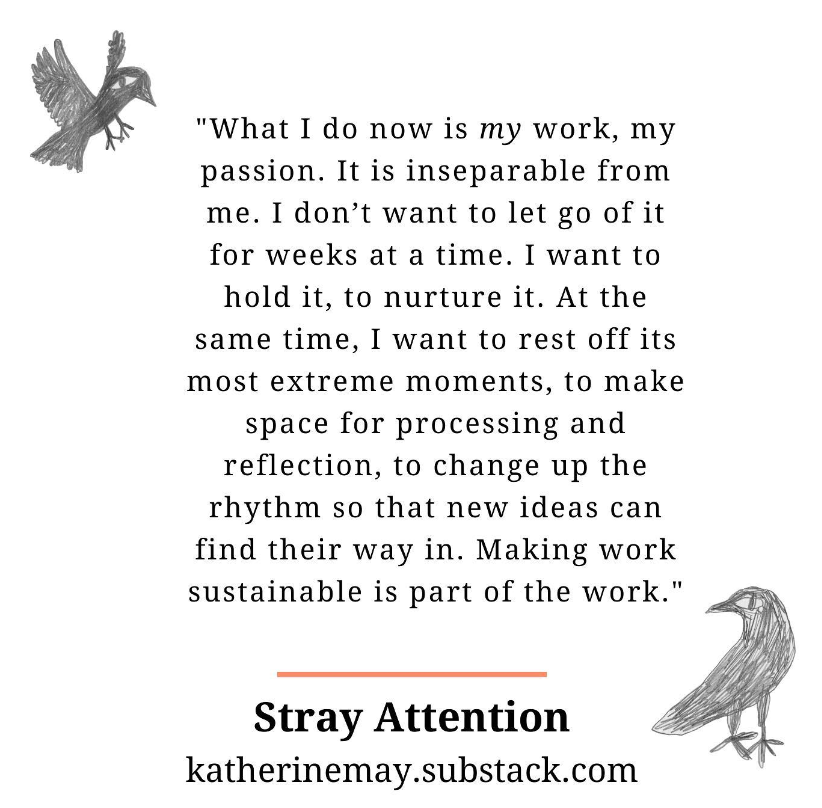
I came across Katherine May’s new blog post at 2 am on a Sunday trying to finish up work. As my life is more irony than substance these days I think it’s worth putting up.
It’s an important call to action. How do we make our work more sustainable? There are a couple of points in there for me
How do I automate manual tasks
How do I delegate with the goal of improving the work outcomes and career growth of others
How do I set up cross collaborations to distribute the load and remove bottle necks
How do we upskill for self-service and empowerment
Sustainability of work is easier to handle (and harder to refute) if it becomes about raising others up. Whilst I might be “essential” if I’m the sole knowledge holder I am also limiting my ability to take leave, adding risk to the risk matrix, and stopping others from understanding my needs. And sharing information can lead to great collaborations.
So perhaps there is something in that. Collaboration and advocacy can be used to create a healthy work structure.
One last thing though is the Black Dog Institutes self-care template. It’s a guide more than a prescribed set of marketing fluff, so common with these themes. You set the tasks that work for you at a rate you can take on. Well worth a look.





 Heath Wilder