My “Macaulay Culkin Christmas (in New York) pt1

The story of my Macaulay Culkin Christmas (thus far)! I’ve been updating on Insta and it’s linked meta platforms.

I’d been toying with the idea of getting out of my regular reach for the holidays, but come the Fri 19th Dec when I was putting the mountain of projects on hold, and saying goodbye to friends departing long term. I finally got to 11pm and said “enough”.

Within 48hrs, incl. one final neurodivergent bookclub, and a Christmas themed D&D game with some close friends, I’d recovered enough mental functioning to make a plan. 10 hrs prior to boarding the plane I booked my ticket out and a place to stay when I landed.

I have had an overarching need is to start repair on my brain. 2025 was the hardest year yet. Just when I’d thought that burnout had hit it’s core and I am at my last reserve I found myself in another layer, and in myself another layer of resilience. I could feel my sense of self being stripped away as I lost the more confidence, and watched my skills evaporate as if I was in the final chapters of my own personal Flowers for Algernon.  It made sense to go to my upside-down – where the weather was cold, my expected outcome was not failure, and people called me friend.

The flight out had a hicup but I’m used to that now, and what would have been a problem in the past is now a bit of business.

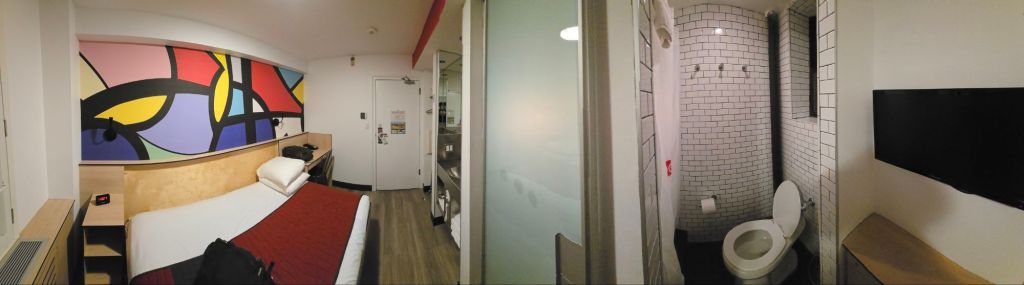
I landed at Newark Airport NYC and made my way to my excellent tiny hotel Pod51. The rooms are Piet Mondrian themed! I braved the chill and found a pretty jumping Pizza store on 2nd Av blaring Latin American dance music for a few partying folks. Was a good vibe.
I escaped with 2 slices bigger than my head(!), got back into my room by midnight, watched local news and had pizza in bed. SUCCESS!

Since then Jordan at the pizza store will slip me an extra slice of some garlic bread when I go. Great guy.
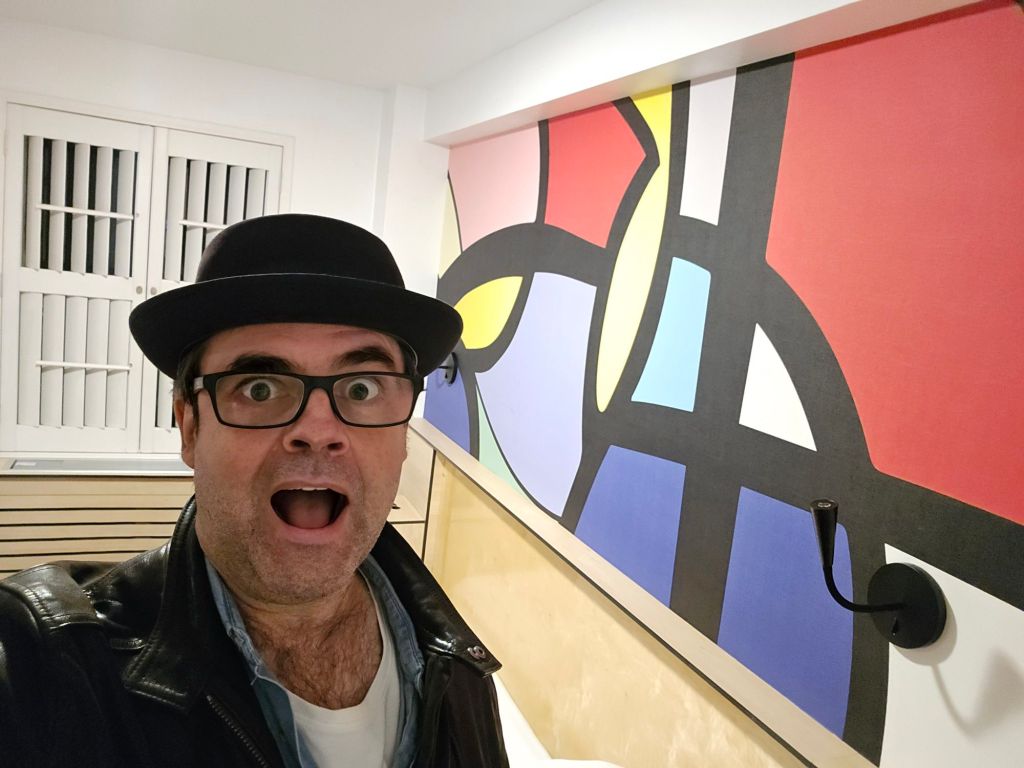

Mondrian room

Next day I caught up with my friend Dale @ Beyond Sushi for great vegan Sushi lunch, before his expert tour of Midtown & Central Park West. 

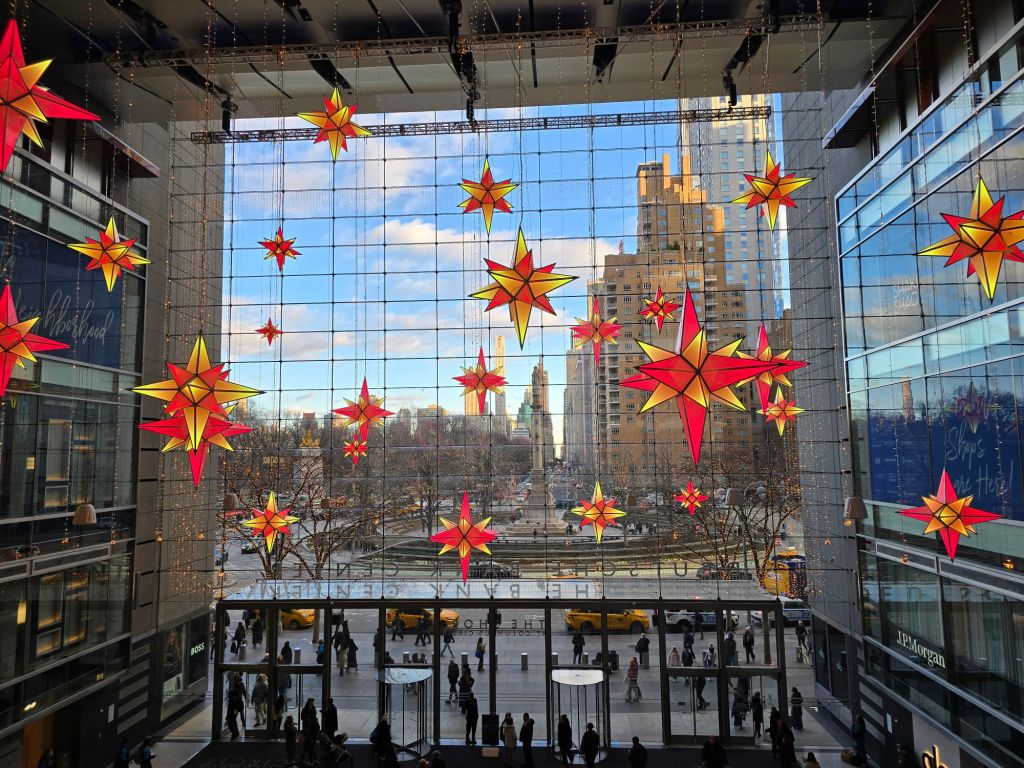
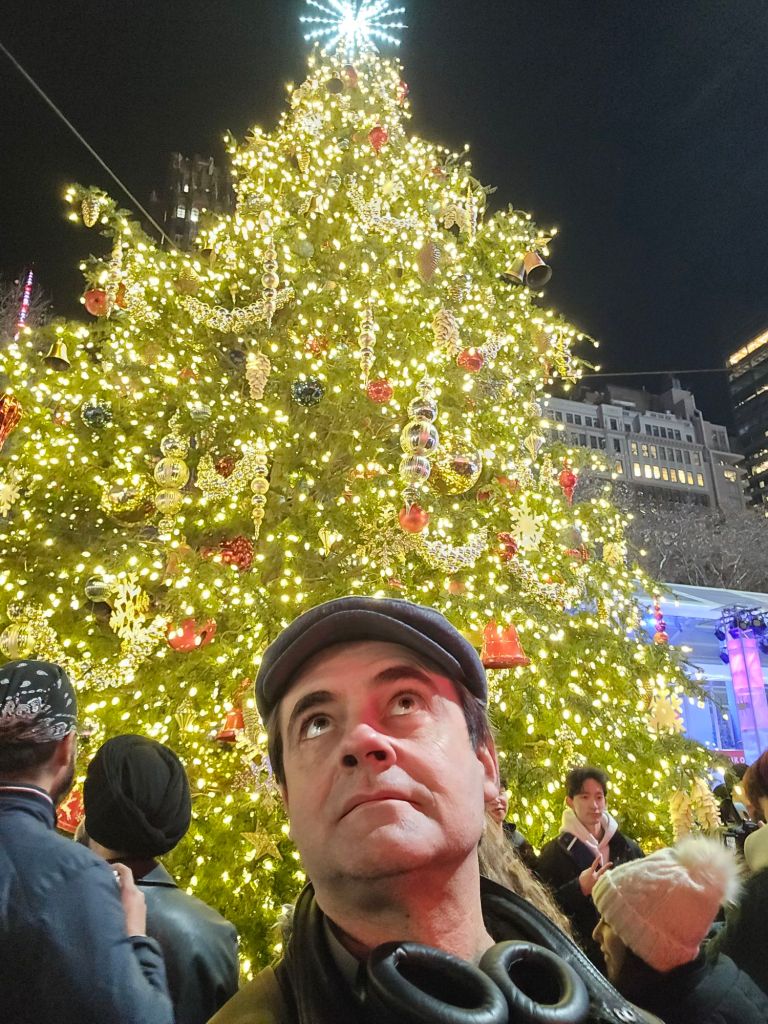
I took myself to Macy’s to buy myself a gift, for Christmas Day then Bryant Park skating rink.  Then home to prepare to foil the sticky bandits. The gift is more pants for the cold – is up or in wearing two pairs. I freaked out a little the first time I went to the bathroom and forgot. I thought I’d turned into Ken.

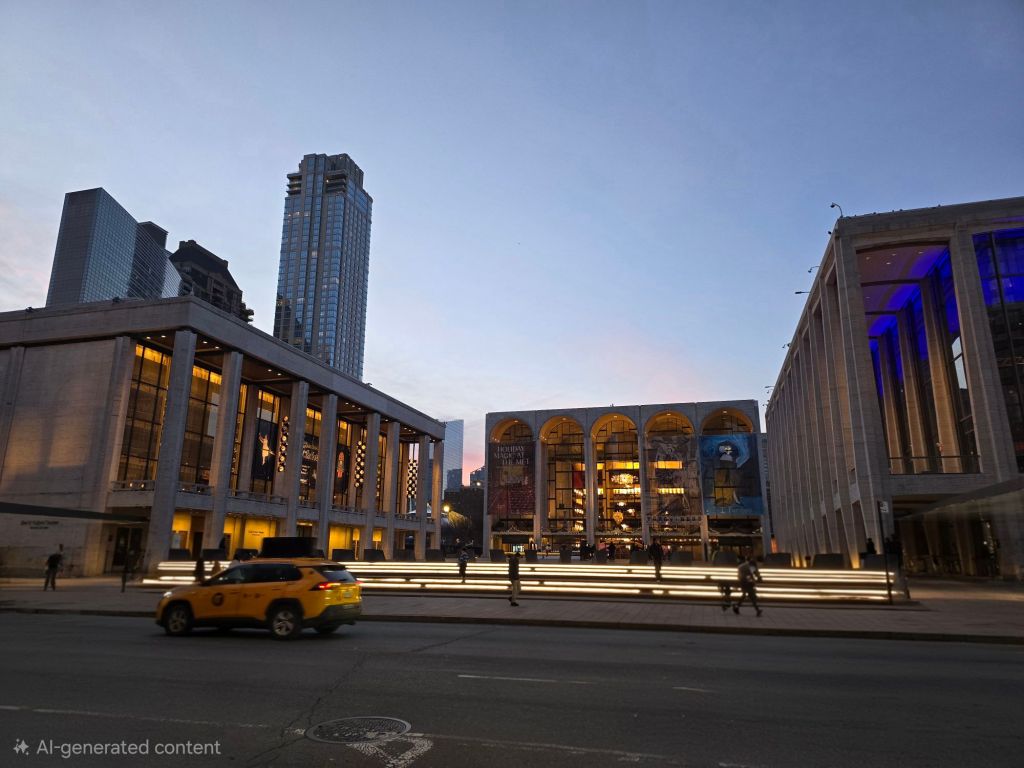
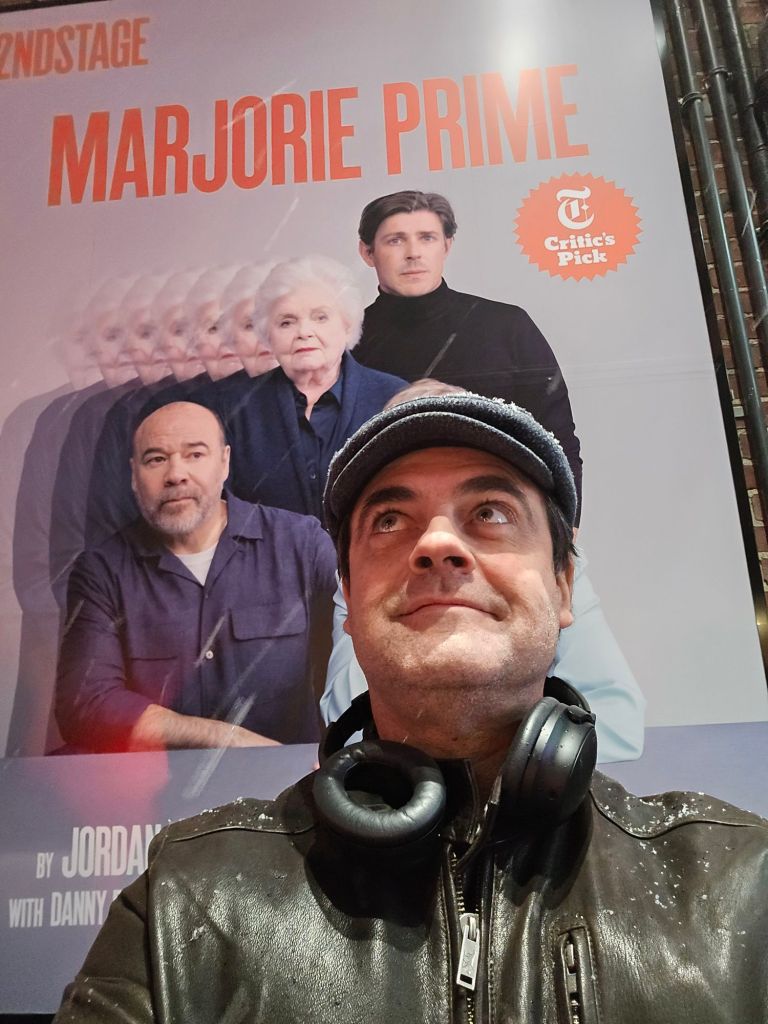
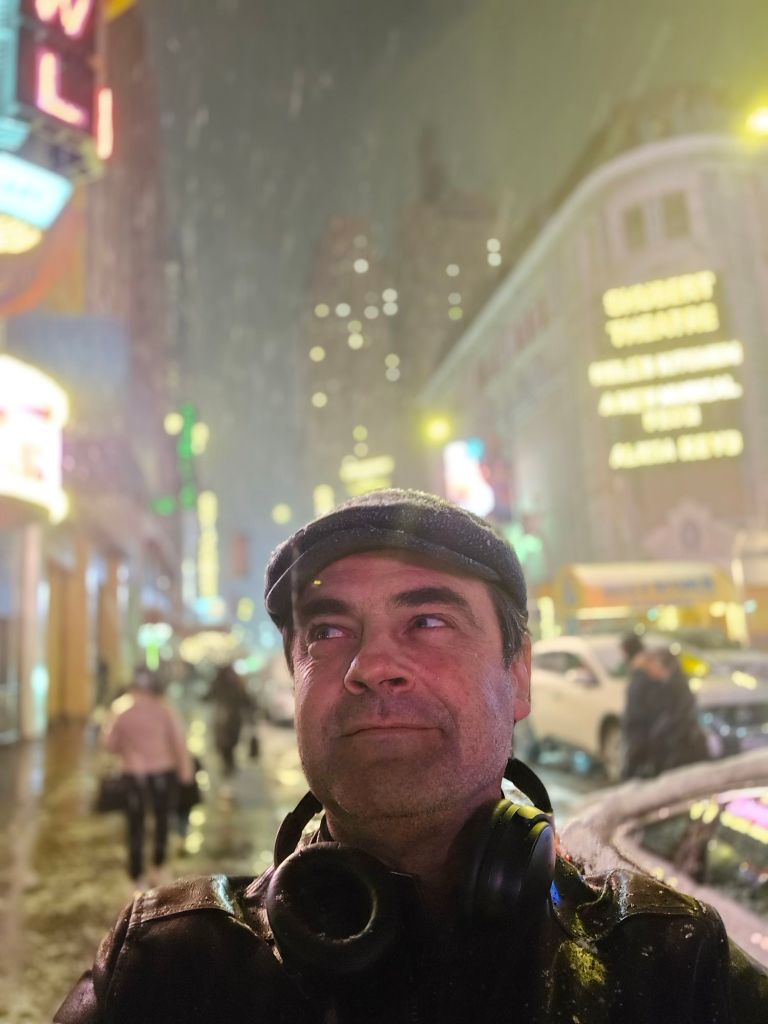
After spending Christmas day wandering through Central Park, finding a diner in the Upper East side NYC and generally being a badly organised tourist (by design!) I was treated to a play Marjorie Prime (by 2nd Stage) by my friend Dale. While we were eating all the Tofu at Ollies Szechwan I happened to glance out the window and it was snowing!? I’ve never seen snow in my 39yrs (and some months*) existence so this was pretty AuDHD brain popping. We had a great conversation on the issues with AI, and a wonderful show in an incredible theatre. Adding a Christmas snowfall definitely lightened the ToDo column of the bucketlist.

*177
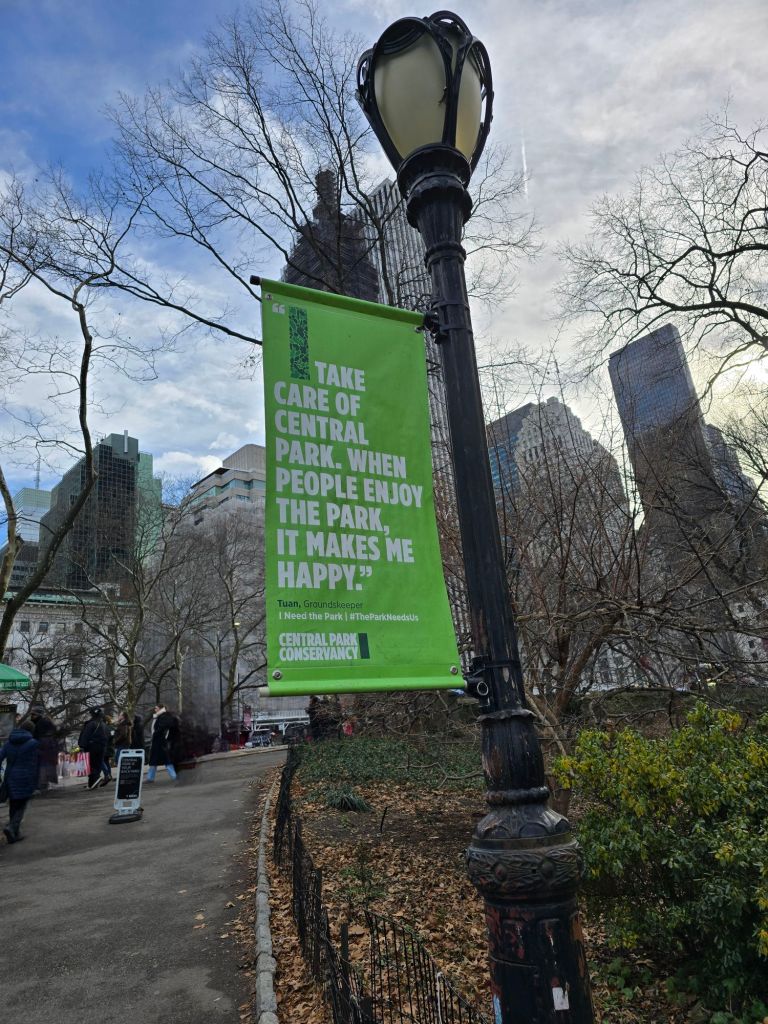
I’m very grateful to Dale who’s been exceptionally patient with my poor planning and touristy excitement as I repair my broken brain on this trip. Also he keeps me eating well – difficult to do solo when burnt out.
BURNOUT Follow Up #2: Dyslexia and Fatigue

I have been meaning to follow up with some more resources regarding Burnout in the Neurodivergent Community. It makes sense that the challenges of working in a high pressure environment, especially one that is nonoptimal for your skills, will add stress. Of course that means that burnout can and does occur in all neurotypes.  

Succeed-with-Dyslexia (SWD) blog post[1] from last year is a great read about burnout for everyone. It summarises the very important point

What matters is recognising [burnout], and reaching out, even if it feels trivial or embarrassing at first – it isn’t, but sometimes that hurdle is one of the largest for people. 

Hayley M Butcher, in her blog  “Discussing the Dyslexic Brain” [2] lays out the reasons for fatigue being so common in the dyslexic community. Her summary in typically clear, dyslexic style:

A collage of factors, including tackling difficult and complex tasks, spending time checking and re-checking for errors, battling visual stressors and coping with associated stress can be a real recipe for fatigue amongst the dyslexic community.

It is also a fantastic literature review of contemporary research and support, with great references and advice:

Setting achievable goals, breaking tasks into manageable chunks, taking regular breaks, accessing reasonable adjustments and seeking the expertise of educational professionals when needed can all be great ways to assist the dyslexic population. In addition, remaining supportive and encouraging, yet also understanding of your dyslexic child, student or significant other (or even towards yourself) is absolutely crucial. 

Well worth a read

[1] Dyslexia and Me: Dyslexia and Burrnout, June 2022

[2] Discusing the Dyslexic Brain, Oct 2020

Neurodiversity and Burnout recovery

exercise & mental wellness

In the past I have been an irregular participant of running and hiking, but presently swimming is my go-to exercise. For me exercise is less about physical fitness and  more for quietude; for self reflection and regaining control. When I’m swimming I can’t get overly ambitious. If I swim more vigorously I’ll start gasping for air and my performance drops as my anxiety rises. Swimming laps is both rhythmically monotonous and also holistically stimulating. For a neurodivergent brain such as mine that is a sweet combo. Being regular and repeated there is nothing to distract me. The only thing my brain can do is go along for the ride, which is a great meditation. We’ve covered our breathing Mental Health Monday. 

So what’s with all the swimming? Well at the moment I’m recovering from burnout.  A new job coupled with some personal troubles has led to overload on top of overload until I was scraping the bottom of the barrel.  The first step is realising you have a problem.  The next is dealing with it, and swimming has been one of the ways of combating the anxiety and depression that can come with burnout*.

So what is the broader word on exercise being good for mental health? 

In addition to making me hungry, the Mayo Clinic[1] has some comprehensive advice about exercise balancing out depression and anxiety. I know that when I’m depressed, drumming up motivation for exercise can feel impossible.  Joining a dance class with instructors shouting “Woo!” is not my thing. I learnt early in life that I’m not much of a “woo” person – even at my emotional peak. But exercise doesn’t mean olympic level training, or filming a TikTok of you over exerting in lycra. It can be as simple as walking.  Research from Stanford found walking can increase your creative output by 60%[2].

Any physical activity can be beneficial, including gardening, washing your car, and the covid staple – walking around the block. 

Doing 30 minutes or more of exercise a day for three to five days a week may significantly improve depression or anxiety symptoms. But smaller amounts of physical activity — as little as 10 to 15 minutes at a time — may make a difference[1]

[1] Mayo Clinic (2017) Depression and anxiety: Exercise eases symptoms 

Probably one of the most promising findings is that regular exercise of any intensity has a protective effect against future depression and is recommended to prevent recurrence of depression[3].  The Black Dog Institutes info sheet on Exercise & Depression has a lot more information[4].

For a lot of us putting our personal needs first is difficult. Advocating for others is a great way for me to trick myself into doing work for my own good. For example, finding time to swim everyday is hard. But when I saw the Laps for Life charity to raise money for youth mental health it was a great way to align a cause that I support with my own needs. So far this month I’ve swum over 10km in 12 days.

Heath in a towel talking to a little toy duck and wearing yellow childres floaties

So in case you find yourself struggling, changing your scene with some light exercise might help you get back on track. As always though, reach out if you are doing it hard. A health professional like your local Dr is a good first port of call, as are friends, family and your support network. 

Let me know what your experience is with exercise and mental wellness.

* never fear we are not going to gloss over the thorny topic of burnout, and the 41 flavours that it takes throughout the neuro-diversi-sphere.  It is a solid topic that deserves its own conversation(s). Just preferably when I’ve had a bit of a repair.

References

[1] Mayo Clinic (2017) Depression and anxiety: Exercise eases symptoms 

[2] May Wong (2014). Stanford study finds walking improves creativity 

[3] Harvey, S. B., Øverland, S., Hatch, S. L., Wessely, S., Mykletun, A., & Hotopf, M. (2018). Exercise and the Prevention of Depression: Results of the HUNT Cohort Study. American

Journal of Psychiatry, 175(1), 28–36.

[4] Black Dog Institute, Exercise & Depression | Black Dog Institute

[5] Schuch, F. B., Vancampfort, D., Richards, J., Rosenbaum, S., Ward, P. B., & Stubbs, B. (2016). Exercise as a treatment for depression: A meta-analysis adjusting for publication bias. Journal of Psychiatric Research, 77, 42–51. https://doi.org/10.1016/j.jpsychires.2016.02.023

[6] Laps for Life charity fundraiser https://www.lapsforlife.com.au/fundraisers/heathwilder